

High Quality Kitchen Appliance Brand Reviews You Can Trust
Last Updated: November 19, 2026
Quick Summary
We treat high quality kitchen appliance brand reviews as a durability question first and a feature question second, because a long feature list means nothing if the appliance fails in year three. Our reviews check functional performance, energy consumption, build and materials, ergonomics, and warranty and support. We also score brands on parts availability, documentation, service access, and end-of-life options.
- Ask about field service data before buying: how often units come back and what fails first.
- Material quality is the clearest physical signal of build quality, so check the parts you touch daily.
- The best induction stove brands share consistent low-heat control, responsive interfaces, and clear installation documentation.
- A brand that cannot state its own wattage, capacity, or material grade will not be able to repair it either.
- Score brands on parts availability, documentation, service access, and end-of-life options before you compare.
Table of Contents
- What Separates High Quality Kitchen Appliance Brands From the Rest
- How We Review Kitchen Appliance Brands: Performance Testing and Value
- Best Induction Kitchen Stove Brands and What to Look For
- Kitchen Appliance Brands to Avoid and the Warning Signs
- Smart Kitchen Appliance Integration Guide for Real Homes
- Post-Warranty Repairability and Spare Parts Availability
- Choosing Your Next Kitchen Appliance at Brightvie
- Frequently Asked Questions
What Separates High Quality Kitchen Appliance Brands From the Rest
Walk into any appliance showroom and every brand claims quality. The difference shows up years later, when the finish still holds, parts are still available, and the machine runs as quietly as it did on day one. At Brightvie, we treat high quality kitchen appliance brand reviews as a durability question first and a feature question second, because a long feature list means nothing if the appliance fails in year three.
The woman is American.
Reliability Ratings and Repair Frequency
Reliability comes down to how often a brand's appliances need service and how quickly those repairs get done. A brand with a strong service history keeps repair frequency low across its lineup, not just on flagship models. Ask about field service data before you buy: how often units come back, what fails first, and whether the fix is a part swap or a full replacement. A brand that publishes or discusses its reliability ratings openly is usually a brand with nothing to hide.
Build Quality and Material Quality
Material quality is the clearest physical signal of build quality. Stainless steel that resists fingerprints, knobs with real weight, doors that close evenly, and seams that line up all point to tighter manufacturing tolerances. A common mistake is judging an appliance by its exterior alone. Open the door, lift the lid, and check the parts you touch every day. That is where cheap brands cut corners first.
How We Review Kitchen Appliance Brands: Performance Testing and Value
For shoppers focused on running costs, practical examples help. Energy-efficient small appliances, like a cold press juicer that draws far less power than a high-speed model, often cost less to own over time than their purchase price suggests.
| Review Factor | What We Check | Why It Matters |
|---|---|---|
| Functional performance | Heating evenness, blending power, browning consistency | Daily results you can feel |
| Energy consumption | Rated draw and real-world use | Long-term operating cost |
| Build and materials | Steel grade, hinge feel, seam fit | Durability and lifespan |
| Ergonomics | Controls, weight, cleanup access | Comfort over years of use |
| Warranty and support | Coverage length, parts availability | Protection after purchase |
Best Induction Kitchen Stove Brands and What to Look For
Induction cooking rewards careful buying more than almost any other category. The best induction kitchen stove brands share three traits: consistent low-heat control, responsive touch interfaces, and clear documentation of installation requirements. Induction also demands cookware with magnetic bases, so check your pans before you commit.
- Heat control: Look for fine low-end simmer settings, not just raw power.
- User interface: Physical dials outlast touch panels in busy kitchens.
- Installation requirements: Confirm dedicated circuit needs and countertop cutout dimensions.
- Operational noise: Induction fans hum; quieter units use better cooling design.
Before you shortlist brands, read a deeper induction kitchen stove review to understand what to check in person.
Kitchen Appliance Brands to Avoid and the Warning Signs
The kitchen appliance brands to avoid share recognizable patterns. They hide warranty terms in fine print, route all support through email-only channels, and sell models with no spare parts availability once the model year changes. Others flood listings with vague feature sets and no technical specifications.
Watch out: a brand that cannot tell you the wattage, capacity, or material grade of its own product will not be able to repair it either. That is a red flag for post-warranty support.
Also treat "lifetime warranty" claims with suspicion unless the brand defines what "lifetime" means in writing. Vague coverage is not coverage.
Smart Kitchen Appliance Integration Guide for Real Homes
Smart connectivity only earns its place when it works without a technician. A practical smart kitchen appliance integration guide starts with one question: do the devices speak the same protocol? Most modern appliances connect over Wi-Fi and work with major smart home ecosystems, but older or budget models often do not.
If you are weighing connected versus standard appliances, a smart vs traditional kitchen appliance comparison lays out the trade-offs clearly. Our advice: buy smart features only where they solve a real daily task, such as a scale that pairs with a coffee routine, not where they exist purely for the spec sheet.
Post-Warranty Repairability and Spare Parts Availability
Repairability is the angle most brand reviews skip, and it is the one that decides whether an appliance lasts a decade or gets scrapped at year four. A high quality kitchen appliance brand treats its parts supply chain as part of the product: it stocks common wear items well past the warranty period and makes them buyable without a service contract. This section goes deeper than the usual 'check the warranty' advice because the warranty is only the first few years; the parts channel is what carries you through the next ten.
The Three Parts Channels, and Why They Differ
Where you can buy a part tells you almost everything about a brand's long-term support.
- Direct-from-brand parts portals. The strongest signal. The brand publishes diagrams, part numbers, and prices, and ships to consumers. Expect to pay a premium, but availability is reliable.
- Authorized distributor networks. Common for larger appliances. Parts are available but often gated behind a dealer or technician account, which limits DIY repair.
- Third-party aftermarket. Wide availability for popular platforms, but quality varies and counterfeit parts are a real risk on high-value components like control boards and heating elements.
A brand that only supports the second channel is not necessarily bad, but it means every repair runs through a technician, and that cost should factor into your purchase decision.
What to Check Before You Buy
Run this checklist against any brand you are seriously considering. It takes about ten minutes and saves years of frustration.
- Can I look up a parts diagram for the exact model number on the brand's site?
- Are the wear items (gaskets, seals, blades, filters, igniters, heating elements) listed with prices?
- Does the brand sell to consumers directly, or only to authorized servicers?
- Are repair instructions or service manuals available, even if only to registered owners?
- Does the warranty require authorized service, and does that requirement end when coverage ends?
- Is the model still in production, or has it been replaced by a platform with different parts?
Watch out: 'lifetime warranty' language often covers only a single component, such as a compressor or motor, while labor and every other part remain your responsibility, so read the exclusions before treating it as a repairability signal.
Independent Repair and the Right-to-Repair Landscape
A growing number of states have considered or passed right-to-repair legislation aimed at electronics and appliances, and the practical effect for owners is that manufacturers are under more pressure to supply parts, tools, and documentation to independent shops and consumers. The details vary by state and by product category, so check your state's current rules rather than assuming. The consumer-side takeaway is simpler: brands that already publish service documentation and sell parts direct are ahead of any mandate, and they are the safer bet if you plan to keep an appliance for a decade.
Independent repair shops are also a useful signal. Call two or three local shops and ask whether they service the brand and whether they can get parts. A shop that groans at the name is telling you something the spec sheet will not.
Repairability, Longevity, and Disposal
Repairable appliances stay out of landfills, but the end of life matters too. When a unit finally fails beyond economic repair, check whether your municipality or retailer offers appliance recycling, and whether the brand runs a take-back program. Many utilities and retailers accept major appliances for recycling, often with a haul-away fee, and some states regulate how refrigerants and electronic controls are handled. Planning for disposal at purchase is the last piece of the longevity puzzle, and it is the piece almost no brand review covers.
The Repairability Scorecard
When you compare two brands, score each on four items: parts availability (can you buy them?), documentation (can you find diagrams?), service access (can independents repair it?), and end-of-life options (can you recycle it?). A brand that scores well on all four is built for the long haul, and that is the standard this guide uses.
Choosing Your Next Kitchen Appliance at Brightvie
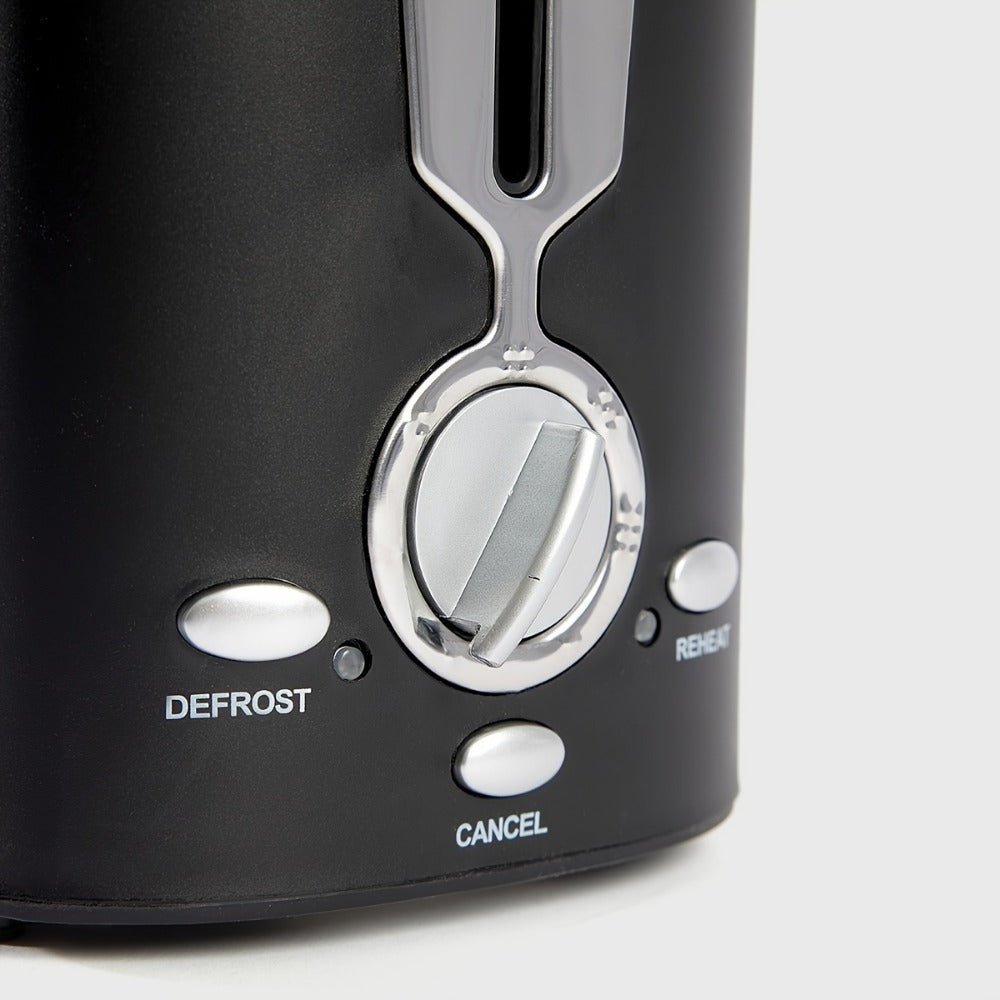
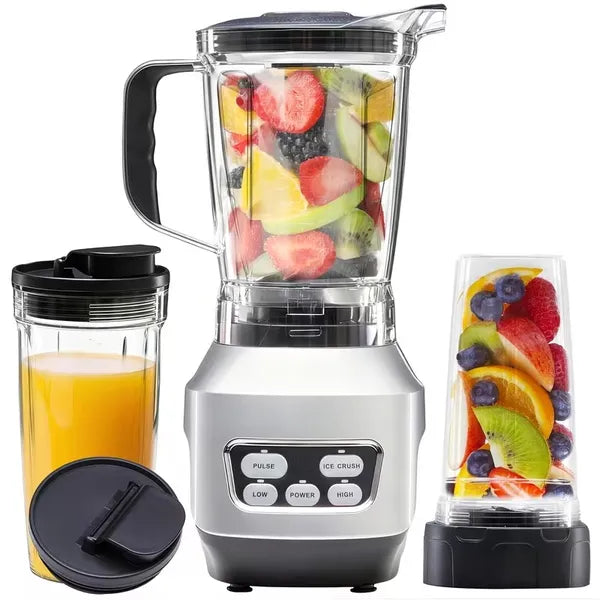
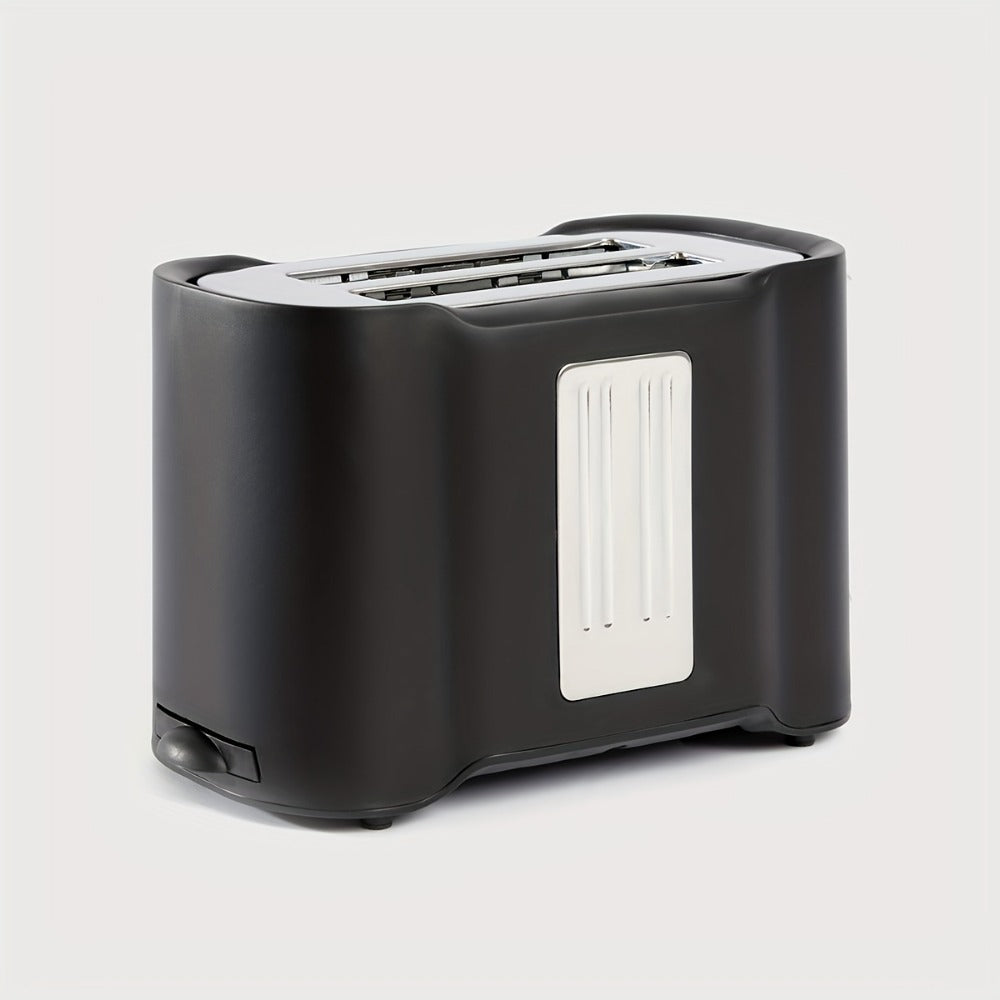
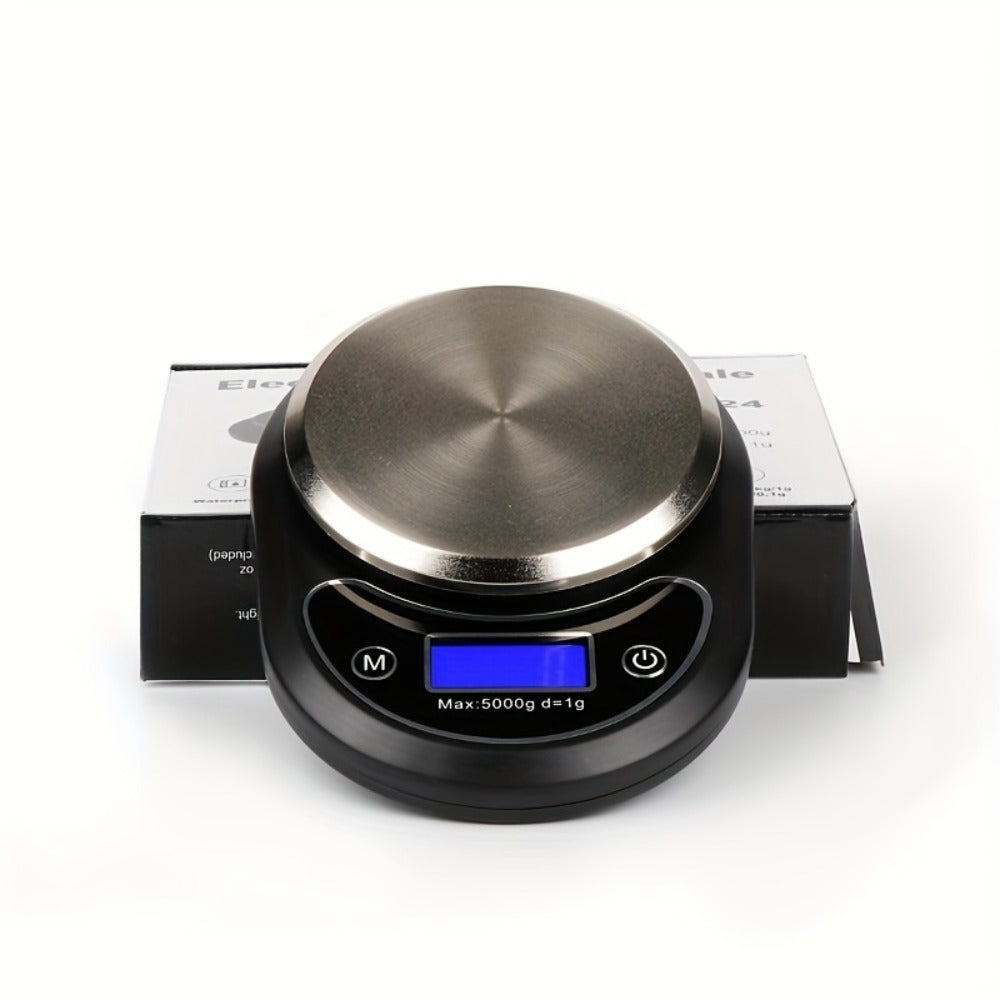
At Brightvie, we curate kitchen appliances for quality. Our selection covers everyday tools, from a 1200W countertop blender with three portable cups to a 2-slice wide-slot toaster and a compact digital kitchen scale. To understand what makes appliances last, read our breakdown of what makes high quality kitchen appliances durable, then browse our full range of kitchen appliances when you are ready.
The hardest part of buying kitchen appliances is trusting the brand behind them. Brightvie takes that risk off your plate with a carefully curated selection, fast US shipping with tracking on every order, secure checkout, and a 30-day money-back guarantee. Get started with Brightvie and equip your kitchen with appliances chosen for how they hold up, not just how they look on day one.
Frequently Asked Questions
What is the most reliable brand of kitchen appliances?
There is no single most reliable brand across every category. Reliability depends on the specific appliance, how often it is used, and how well it is maintained. When reading high quality kitchen appliance brand reviews, look for service history, repair frequency, and warranty coverage rather than brand reputation alone. A brand that excels at blenders may not make the best toaster. Match the brand to the category and check customer satisfaction data for that exact model before buying.
What kitchen appliance brands should I stay away from?
Be cautious with brands that hide warranty terms, lack spare parts availability, or have no clear after-sales support channel. Warning signs include vague product listings, no contact information, and reviews that mention repeated repair frequency within the first year. Our kitchen appliance brands to avoid section covers these red flags in detail. A brand with a short warranty and no parts supply will cost more over the product lifecycle than one priced slightly higher with real support.
How do I choose between luxury and mid-range appliance brands?
Start with how often you will use the appliance and what features you actually need. Luxury brands often add design aesthetics and smart connectivity, while mid-range options focus on functional performance and value for money. Compare energy consumption, capacity and dimensions, and warranty coverage side by side. For everyday cooking, a well-built mid-range appliance with strong customer satisfaction usually delivers better value than a luxury model with features you will not use.
Are smart kitchen appliances worth the extra cost?
Smart features add value when they solve a real problem, such as remote monitoring or automatic programs. They are less useful if you rarely use apps or your home network is unreliable. Before paying more, check installation requirements and whether the appliance works fully without a connection. A smart kitchen appliance integration guide helps you confirm compatibility first. If the core performance and build quality are strong, smart connectivity is a bonus rather than the reason to buy.
How long should a high quality kitchen appliance last?
Expected lifespan varies by category. Small countertop appliances often last five to ten years with regular cleaning and proper use, while larger appliances can run longer with maintenance. Appliance lifespan depends on build quality, how hard the motor or heating element works, and whether spare parts availability lets you repair rather than replace. Checking service history and reading reviews that mention durability gives a more realistic picture than the manufacturer's estimate alone.
